If you feel that the body you were born with does not align with your true identity, Male-to-Female (MTF) Gender Confirmation Surgery is a transformative milestone. This journey is about more than just physical change; it is a step toward living fully and naturally, empowering you to embrace your relationships and life with newfound happiness and confidence.

With today’s advanced medical technology, gender affirmation procedures are highly safe and effective. Our surgical expertise focuses on achieving the most anatomically natural results, prioritizing both aesthetic appearance and functionality—including vaginal depth, width, and the preservation of sexual sensation that mimics natural physiological experiences.

Deciding to undergo gender surgery is a significant life event. We strongly recommend a comprehensive consultation with a specialized surgeon to explore various surgical techniques, preparation requirements, and post-operative care. Being well-informed is the key to a confident decision and a worry-free transformation.

What is Gender Confirmation Surgery?

According to the Medical Council of Thailand, “Gender Confirmation Surgery” (or Sex Reassignment Surgery) is defined as a surgical intervention to transition an individual from male to female or female to male. This includes procedures that result in permanent hormonal and physical changes, effectively transforming the primary sexual characteristics to align with the individual’s identified gender.

The surgical transformation from male to female focuses on two primary anatomical components to achieve a functional and aesthetic feminine result:

  1. Vulvoplasty: The meticulous reconstruction of the external female genitalia, including the labia majora, labia minora, and the clitoris.

  2. Vaginoplasty (Neovagina): The creation of a functional vaginal canal (internal reproductive tract) using advanced grafting techniques to provide depth and width.

Adhering to International Standards: The WPATH Criteria

Gender Confirmation Surgery is a significant, life-altering, and irreversible decision. To ensure the highest level of psychological readiness and long-term satisfaction, every candidate must meet the rigorous criteria established by the World Professional Association for Transgender Health (WPATH).

Following these international guidelines is essential for:

  • Ensuring Psychological Readiness: Confirming that the individual is prepared to live authentically in their identified gender.

  • Preventing Regret: Minimizing the risk of “surgical regret” or regression after gender reassignment.

  • Informed Consent: Ensuring the patient fully understands the surgical risks, potential side effects, and long-term maintenance required.

By adhering to these standards, we ensure that the surgery not only fulfills your physical goals but also enhances your mental well-being and leads to a happier, more fulfilling life in the gender of your choice.

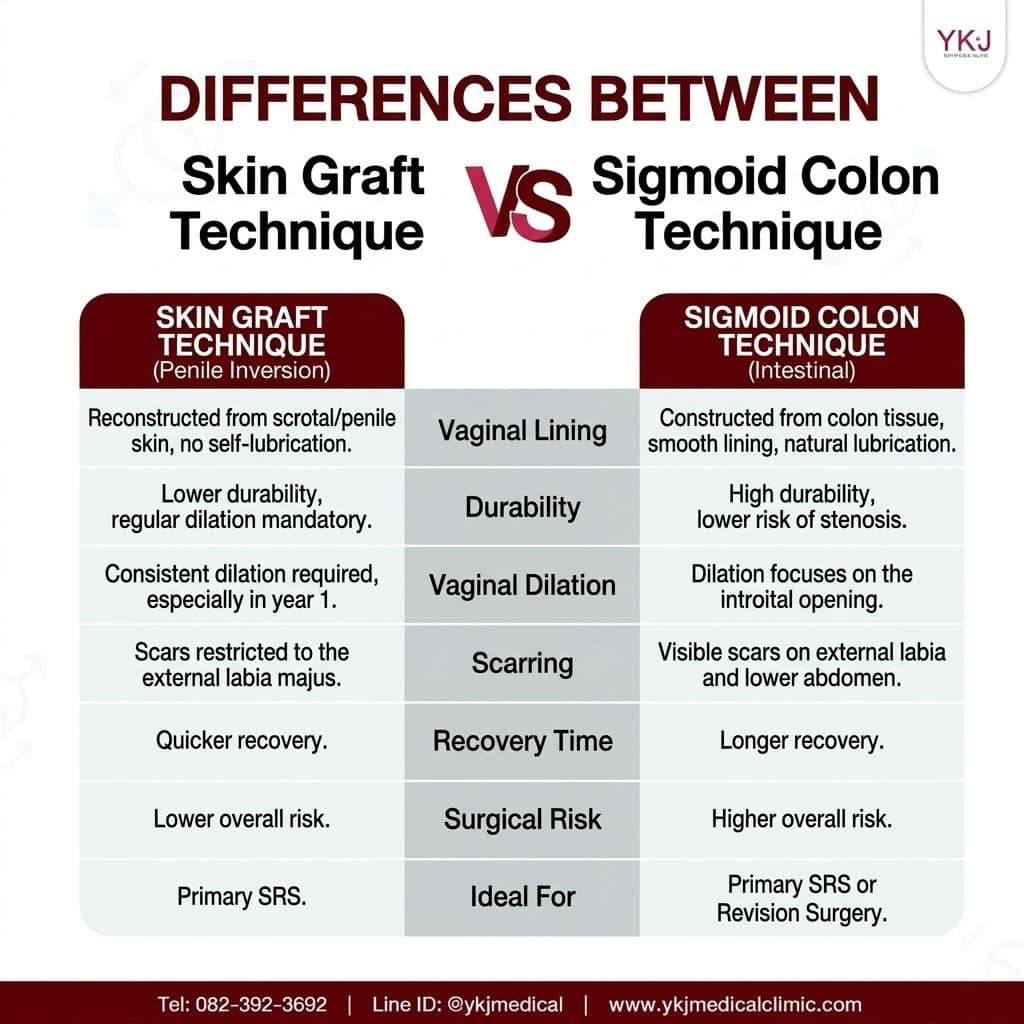
Skin-Grafting-Technique-infographic

Surgical Techniques for MTF Gender Confirmation

Gender Confirmation Surgery (MTF) is a pivotal step in affirming one’s true gender identity. Today’s surgical advancements offer two primary methods for creating the neo-vaginal canal, categorized by the source of the grafting tissue:

1. The Skin Grafting Technique (Penile Inversion)

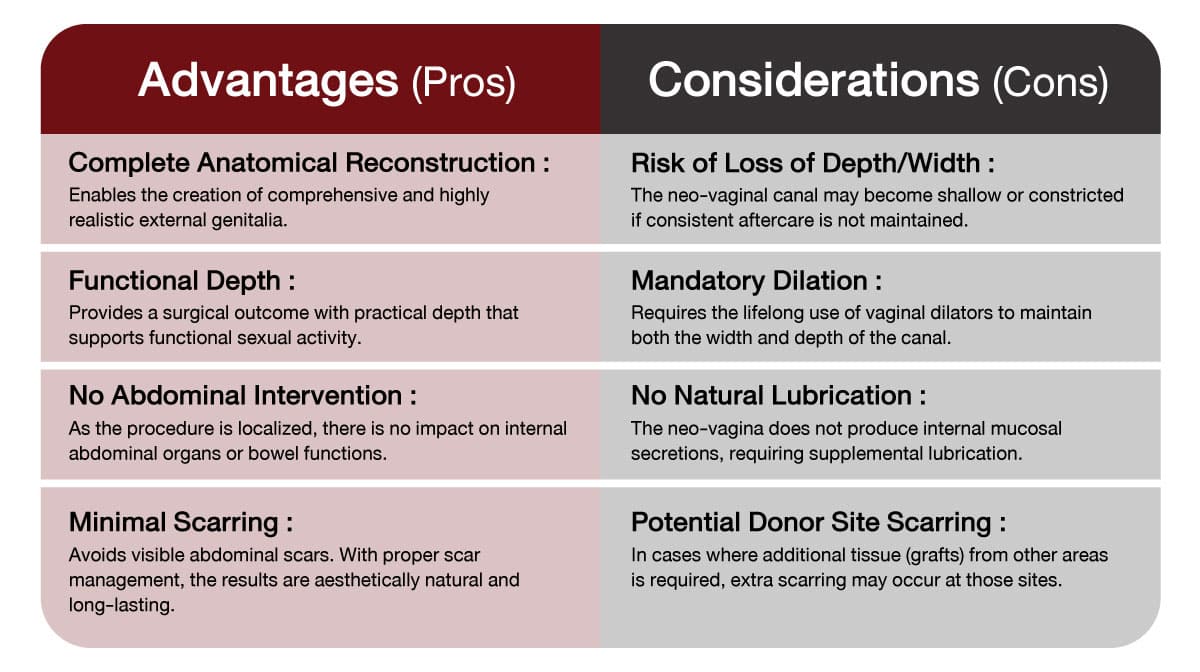
The Skin Grafting Technique is a widely recognized and medically established method for constructing a neo-vagina. This procedure utilizes the patient’s existing genital tissue to artistically and anatomically reconstruct a functional vaginal canal that closely mimics natural female physiology.

By repurposing local tissue, surgeons can achieve a natural appearance and maintain high levels of sensitivity, providing an effective solution for those seeking a safe and reliable transformation.
 

2. Advanced Techniques Using Abdominal Tissue: Sigmoid Colon & Peritoneal Grafting

Beyond the standard grafting method, modern surgical advancements offer highly sophisticated alternatives that utilize internal abdominal tissues to achieve superior functional results.

Sigmoid Colon Vaginoplasty

The Sigmoid Colon Technique is a premier surgical alternative that utilizes a carefully selected segment of the large intestine (sigmoid colon) to construct the neo-vaginal canal.

The Surgical Mechanism:

  • Graft Selection: A specialized surgeon harvests a specific portion of the sigmoid colon, ensuring its blood supply remains intact.

  • Internal Lining: The harvested segment is meticulously integrated into the vaginal space. Because the intestinal mucosa (internal lining) is used, the new vaginal canal possesses unique biological properties:

    • Natural Lubrication: The intestinal lining naturally produces mucus, providing a self-lubricating environment that mimics natural physiological functions.

    • Exceptional Depth and Elasticity: This technique typically allows for greater depth and a more resilient vaginal wall, enhancing the long-term functional outcome for the patient.

view-couple-holding-hands-with-colorful-pride-bracelets

Who is a Candidate for Gender Confirmation Surgery?

To ensure the best physical and psychological outcomes, our clinic follows strict international protocols. A suitable candidate for MTF surgery typically meets the following criteria:

1. Diagnosed Gender Dysphoria

Candidates should experience a persistent and strong cross-gender identification (Gender Dysphoria). This is characterized by a significant discomfort with one’s assigned sex at birth and a profound desire to align their physical body and social role with their true gender identity.

2. Age Requirements

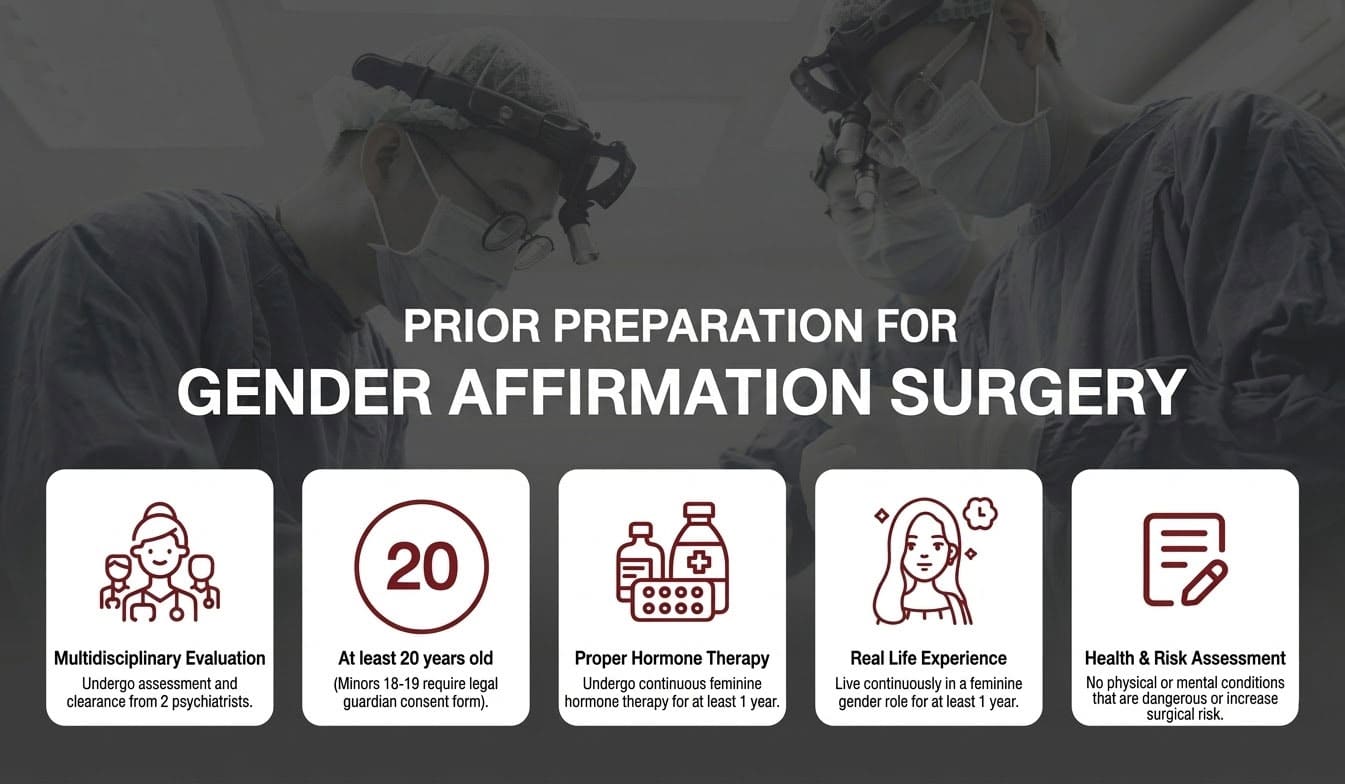
  • Standard: Generally, surgeons consider candidates who are 20 years of age or older.

  • Exceptions: In specific cases, individuals aged 18–19 may be considered, provided they have legal guardian consent and have undergone a rigorous psychological evaluation.

3. Multidisciplinary Evaluation (WPATH Standards)

Every patient must undergo a comprehensive assessment by a multidisciplinary team to confirm physical, mental, and social readiness. This typically includes:

  • Psychiatric Evaluation: Clearance from at least two qualified mental health professionals (Psychiatrists or Psychologists).

  • Endocrinologist Consultation: Assessment of hormone replacement therapy (HRT) history and current health status.

  • WPATH Compliance: Adherence to the World Professional Association for Transgender Health guidelines to ensure a safe and successful transition.

4. Physical Health and Fitness for Surgery

Candidates must be in good overall health to undergo major surgery.

  • Underlying Conditions: Conditions such as Arteriosclerosis (hardening of the arteries) or uncontrolled chronic diseases can increase surgical risks.

  • Recommended Screenings: If you are unsure of your surgical fitness, we recommend a comprehensive annual check-up or an Ankle-Brachial Index (ABI) test to evaluate arterial health and blood flow before proceeding.

gcs-preparation

Pre-Operative Preparation & Requirements

To ensure a safe and successful transition, all candidates must adhere to the following international standards:

  • Mental Health Clearance: Provide medical certificates from at least two qualified psychiatrists confirming readiness for gender reassignment.

  • Real-Life Experience (RLE): Candidates should have lived continuously in their identified gender role for at least one year.

  • Age Criteria: * 20+ years old: Eligible for surgery.

    – 18–19 years old: Requires formal written consent from a legal parent or guardian.

    – Under 18: Not eligible for gender reassignment surgery at our clinic.

  • Physical Readiness: Must be in good overall health with no severe underlying conditions that contraindicate general anesthesia


Post-Operative Care & Recovery

External Wound Care

  • Apply liquid Povidone-iodine to the labia majora and Povidone-iodine gel to the labia minora and urethral area.

  • Cleanse and apply medication after every bowel movement and dilation session.

  • Use sanitary pads to manage minor spotting; wounds typically heal within 2-3 weeks without complications.

Internal Vaginal Care

  • Douching: After each dilation, douche the canal with a saline and Povidone-iodine mixture (1:10 ratio) using 100-200 cc.

  • Strict Prohibitions: Do not use soap inside the vaginal canal as it causes severe irritation.

Lifestyle Restrictions

  • Movement: Avoid squatting or spreading legs widely until the wound is fully healed.

  • Sexual Activity: Refrain from intercourse for 1-2 months until internal healing is confirmed.

  • Diet: Avoid excessively salty foods and fermented products to reduce post-operative swelling.

  • Note: A mild odor may occur during the first 3-6 months as the tissue matures.


Risks and Potential Side Effects

While we maintain the highest safety standards, patients should be aware of:

  • Common: Swelling, bruising, hematoma, pain, or minor asymmetry of the labia.

  • Surgical Risks: Infection, poor wound healing, or flap necrosis.

  • Specific Complications: Recto-vaginal fistula (extremely rare), urethral stenosis, or decreased sensation.

  • Medical Alert: Patients with blood disorders must inform the surgeon to prevent Deep Vein Thrombosis (DVT); compression devices may be required for 2-3 days post-op.


How Deep Can the New Vaginal Canal Be?

The depth of the neo-vagina is a critical factor influencing the quality of life and long-term satisfaction of patients. Achieving an optimal depth is essential for natural, comfortable sexual intercourse and overall sexual well-being.

The achievable depth depends largely on the surgical technique selected and the patient’s individual anatomy:

1. Skin Grafting Technique (Penile Inversion)

  • Tissue Dependency: The depth is primarily limited by the amount of available donor tissue from the penis and scrotum.

  • Average Depth: Typically, this method achieves a depth of 10–12 cm (approximately 4–4.7 inches).

2. Sigmoid Colon Technique

  • Surgical Advantage: Since a segment of the large intestine is used, the surgeon has significantly more flexibility in customizing both the depth and width of the canal.

  • Average Depth: This technique generally achieves a depth of 12–15 cm (approximately 4.7–6 inches) or more, depending on the patient’s request and pelvic structure.


Post-Operative Sensation and Sexual Pleasure

One of the most common questions is: “Will I still have sensation?” The answer is yes. Our surgeons prioritize Neurovascular Preservation during the reconstruction process.

  • Sensitive Areas: The original nerve endings are meticulously preserved and repositioned to the new clitoris, labia minora, and urethral area. Stimulation of these zones will allow for natural sexual arousal and climax.

  • Internal Sensation: While the internal vaginal canal itself does not have direct nerve endings, sexual pleasure can still be achieved through the stimulation of the prostate gland. The prostate remains in its original anatomical position post-surgery and acts as a “G-spot” for many transgender women.


The Dilation Protocol (Vaginal Maintenance)

Vaginal dilation (locally known as “Yang-Mo”) is a mandatory daily routine during the first year of recovery to prevent Vaginal Stenosis (the narrowing or shortening of the canal).

  • The Process: You will use medical-grade dilators of increasing sizes to maintain the dimensions of the neo-vagina.

  • The Schedule (Year 1): Dilation is required twice daily, for 30–60 minutes per session.

  • After Year 1: Frequency can typically be reduced to once a week.

  • Silicone Dilators: Soft silicone dilators can be used as a supplement. We recommend wearing them while sleeping (supported by undergarments) to provide gentle, long-term expansion and comfort.


Pre-Operative Medical Screening

Before proceeding with surgery, certain conditions must be evaluated or stabilized:

Conditions Requiring Specialized Clearance:

  • Systemic Diseases: Severe heart, lung, liver, or kidney disease.

  • Chronic Infections/Conditions: Ongoing treatment for Cancer, SLE, HIV, or Hepatitis B/C.

  • Genital Anomalies: Phimosis, Hypospadias (abnormal urethral opening), Cryptorchidism (undescended testes), or a history of foreign substance injections (e.g., silicone or oil) into the genitalia.

  • Hernias: Inguinal or abdominal hernias must be assessed by the surgeon.


Absolute Contraindications (Surgery Cannot Proceed):

  • Uncontrolled Medical Conditions: Chronic diseases that are not yet stable.

  • Unstable Mental Health: Active psychiatric symptoms that may affect the decision-making process or recovery.

  • Substance Abuse: Current use of illegal drugs.